Zero Trust Architecture: The Foundation of Zero Trust Security
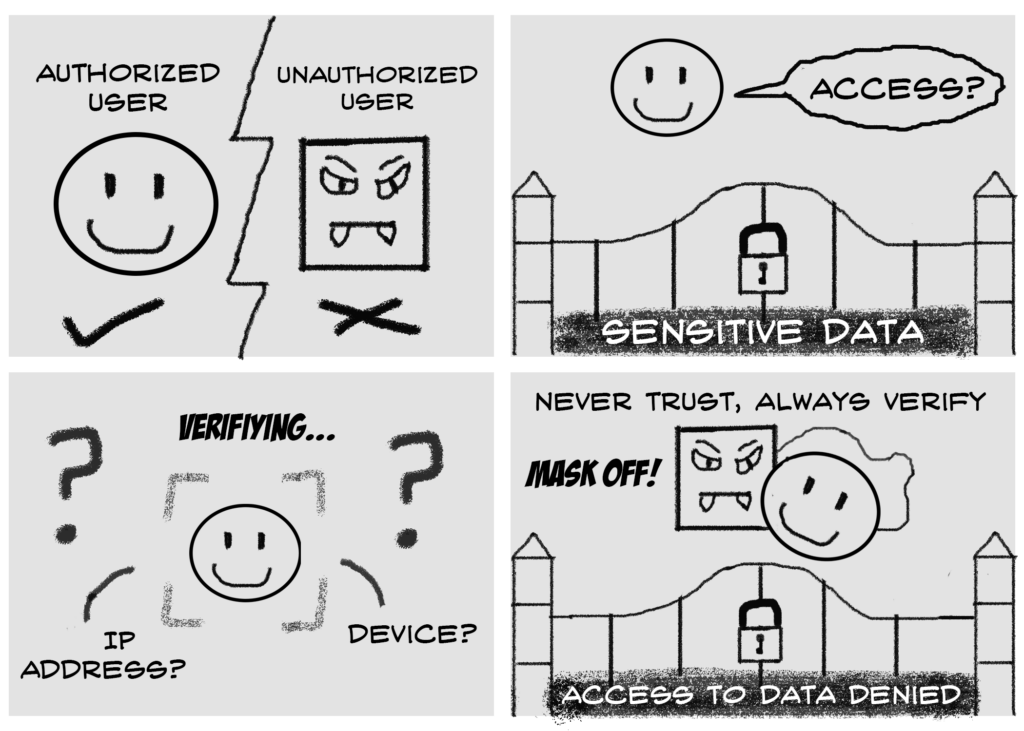
Zero Trust Architecture (ZTA) is a cybersecurity approach based on a simple idea: no user, device, or application should be trusted automatically.
Instead of assuming users inside a company network are safe, zero trust continuously verifies every access request before allowing access to applications, systems, or data. This approach helps organizations reduce cyber risk and strengthen security across cloud environments, remote workforces, and modern enterprise systems.
Zero trust security has become increasingly important as organizations adopt cloud platforms, SaaS applications, mobile devices, and hybrid work environments that extend beyond traditional network boundaries.
Zero Trust Architecture (ZTA) is a cybersecurity approach based on a simple idea: no user, device, or application should be trusted automatically.
Instead of assuming users inside a company network are safe, zero trust continuously verifies every access request before allowing access to applications, systems, or data. This approach helps organizations reduce cyber risk and strengthen security across cloud environments, remote workforces, and modern enterprise systems.
Zero trust security has become increasingly important as organizations adopt cloud platforms, SaaS applications, mobile devices, and hybrid work environments that extend beyond traditional network boundaries.
Why Was Zero Trust Created?
Traditional cybersecurity models were built around the concept of a trusted internal network. Once users logged into the corporate network, they were often granted broad access to systems and data.
That model worked when most employees operated inside office environments and applications were hosted within centralized data centers. Modern organizations operate very differently. Today, enterprise environments include remote employees, cloud applications, third-party collaboration, unmanaged devices, and globally distributed teams.
As network boundaries become more difficult to define, organizations need a security model that does not rely solely on location-based trust. Zero trust was developed to address these challenges by continuously validating users, devices, and access requests.
How Zero Trust Security Works
In a zero trust environment, access requests are evaluated before permission is granted.
For example, an employee may attempt to access a cloud application from a personal laptop while traveling. Before access is approved, security systems may verify the user’s identity, evaluate the health of the device, check whether multi-factor authentication is enabled, and analyze the level of risk associated with the request.
If risk conditions change during the session, access can be restricted or removed automatically. Instead of granting permanent trust, zero trust continuously reevaluates security throughout the session.
Core Principles of Zero Trust
Never Trust, Always Verify
Every request should be authenticated and validated before access is granted.
Least Privilege Access
Users should only receive the minimum level of access necessary to perform their responsibilities.
Assume Breach
Organizations should operate as though attackers may already exist inside the environment and limit opportunities for lateral movement.
Continuous Monitoring
Security systems continuously evaluate user activity, device posture, and contextual risk signals.
Why Organizations Use Zero Trust Security
Organizations adopt zero trust security to help:
reduce unauthorized access,
protect sensitive data,
secure remote work environments,
improve visibility into user activity,
reduce insider threat risks,
and strengthen cybersecurity resilience.
Zero trust can also support compliance efforts that require stronger access controls and continuous monitoring.
Common Misconceptions About Zero Trust
Zero Trust Is Not a Single Product
Zero trust is a cybersecurity strategy rather than a standalone technology solution.
Zero Trust Does Not Mean Blocking All Access
Users can still access the systems and information they need. Zero trust simply requires stronger verification before and during access.
Zero Trust Is Not Only for Large Enterprises
Organizations of all sizes can apply zero trust principles based on their business needs and risk profile.
Zero Trust Does Not Eliminate Every Cyber Risk
Zero trust helps reduce risk and improve visibility, but no security model can completely prevent cyberattacks.
Zero Trust Architecture vs Traditional Security
Traditional security models focus heavily on protecting the network perimeter.
Zero trust focuses on continuously protecting:
users,
devices,
applications,
and data.
Instead of assuming trust based on network location, zero trust evaluates each request individually.
How Zero Trust Supports Modern Enterprises
As organizations continue adopting cloud services, hybrid work models, AI-driven workflows, and distributed collaboration environments, zero trust security is becoming a foundational part of modern cybersecurity strategies.
By continuously validating access and applying security controls closer to the data itself, organizations can strengthen protection for sensitive information while enabling secure collaboration across modern enterprise environments.
Learn More About Zero Trust Security
Explore how organizations use Zero Trust Architecture to strengthen access control, protect sensitive information, and reduce cyber risk across cloud, SaaS, and hybrid enterprise environments.